

About us
Polythenemailers.co.uk is a division of Polybags specialising in polythene mailing bags. Polybags were established in 1961 by Mr Geoffrey Davies, who purchased a bag-making machine advertised in the local paper and sold door-to-door. As sales grew, the business moved firstly to a lock-up garage and then on to larger factory. Polybags now have a new management team and are looking to continue Polybags' development and success.
You should know this about blue opaque mailers
Fast, Simple, Reliable Mailing Bags & Custom Packaging Supply.
Mailing bags have to be specified properly or the cost shows up quickly in damaged products, unstable pallets and wasted carrier space. A bag that is also light can burst at the seal line, while one that is also stiff may waste film and make packing slower on the bench. The proper gauge, seal quality and polythene suppliers grade rely on what is being sent, because clothing, soft products and rougher items place very alternative requirements on the pack. Factories that match the bag to the product normally cut down on secondary wrapping and rework, which retains the despatch area moving and reduces handling damage.
Design Poly Mailers polythene suppliers Mailing Bags Biodegradable Mailing Bags Custom Mailer Bag
polythene suppliers mailing bags suit light products because they give fast, cost-effective protection without adding much weight to the package. The film assists retain out dust and light rain, so soft products like garments, accessories, and other dry lines reach dispatch in better condition than they would in a plain paper wrap. On a busy packing bench, the self-seal strip also saves time and removes one more tape operation, which matters when labour has to transport quickly. The main judgement, though, is strength at the corners and along the seal, because a bag that sees tidy on the line is no use if it splits in transit.
Heavy duty mailers have to do above simply grasp a product; they need to survive sorting, stacking and rough handling without splitting at the seams. A well-manufactured mailer uses the proper film gauge, a sound seal and enough stiffness to retain its shape when it is packed flat, filled quickly and moved through a busy dispatch area. If the construction is also light, damage shows up in transit or at the first sort point, which leads to rework and complaints. When the specification is balanced properly, the packer acquires a faster process and the package arrives looking intact, which is what counts.
Being slick, clever and funny are poor substitutes for properly targeted, informative Polybags"cute" will undermine your credibility when marketing something as necessary as home loans.
Mailers work optimal when the format matches the job, not only the message. A well-manufactured mailer requirements to acquire through the mail cleanly, keep safe the printed content, and arrive looking worth opening, whether it is carrying a brochure, offer leaflet or slim product sample. That means thinking about board grade, film weight, seal quality and how the item behaves in a sorting machine or a van at the stop of a long route. Poorly chosen material can lift, snag or split; a sensible spec retains handling damage down and makes the part feel deliberate enough to earn a glance.
Custom Printed Mailing Bags Tailored To Your Brand
Printed mailing bags should be chosen for how they transport through packing and dispatch, not only for how they see on the bench. A film that feels fine in the hand can still split when corners grasp, when packs are squeezed together, or when a heavier package lands on top in transit. Going also heavy on gauge brings additional polymer and cost without solving the proper risk. The better come is to match film strength to the load, then make sure the seams can take the stress of sorting, stacking and repeated handling. That retains the package protected without building waste into all send-out.
polythene suppliers mailers stay popular because they assist packing lines transport quickly without adding much weight to the consignment. The film is flexible enough to slip above products without much fuss, yet robust enough to cope with knocks, conveyor contact and the rough handling that often happens once parcels leave the despatch bay. A well-set seal matters only as much as the material itself, because a weak closure can undo the benefit of superb film and lead to splits, pollution or claims. That combination of speed and protection makes them a practical selection where high throughput matters.
Plastic envelopes need to be chosen by how they will be handled, not only by colour or size. A heavier polythene suppliers or polypropylene envelope gives better strength for small consignments that may be picked, stacked, and reopened several times, while a lighter film can scuff or split where corners dig in. The closure matters only as much as the material. A string-and-button style suits files that are meant to stay together, a tuck-in flap is fast for internal movement, and a zip or Velcro closure assists when access is frequent. Good specification avoids torn contents and retains the pack looking tidy through transit.
Coloured mailers can speed up despatch when several stock lines are passing through the packing bench at the same time. A simple colour code gives operatives a fast visual cue, so the proper bundle can be lifted without reading all label on all stack. That saves time where bench space is tight and order picking has to retain moving, because one gross grab can throw the all sequence out. It also makes shift handover cleaner, since half-finished work stays easy to separate. The practical result is less packing errours and less time wasted sorting mixed consignments.
Buy Online Printed Plastic Courier Bags | Tamper Proof …
Courier bags have to do two jobs at once: retain weight down for efficient despatch and still survive rough handling through sorting, stacking and repeated bagging. That balance depends heavily on how the polythene suppliers is extruded, because even a small gauge tolerance can lead to weak seams, distorted flaps or stretching where a load presses hard on one spot. A well-manufactured mono-material bag also assists with pallet stability and stock handling, since it adds less dead weight and is less likely to slip than a poor film selection. When that specification is proper, breakages drop and the bag stays fit for fast-moving warehouse work.
Economy mailers only pay off when the board or film suits the product and the route it will take through packing, sorting and transport. A light grade can fold at the corners, label the contents and struggle in automated handling, while an above-specified pack eats space and can lift the consignment into a higher charge band. Rigid mailers work well for flat items that need a clean face and a few stiffness, because they resist bend and retain their shape in the stack. The sensible selection is the one that protects the load without wasting material or cube.
Polybags range of products
They have been trading online at polybags.co.uk since 1999, where you will find an unbeatable range of polythene packaging products including:

- Mailing and courier bags
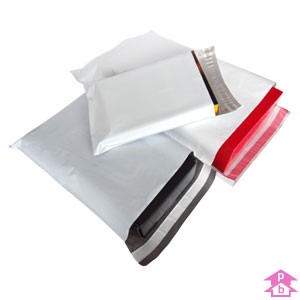
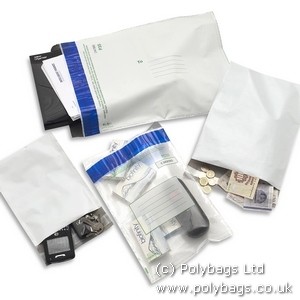
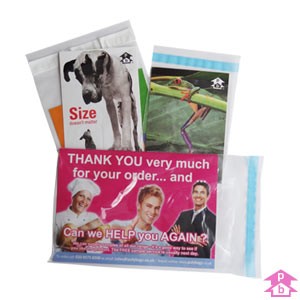
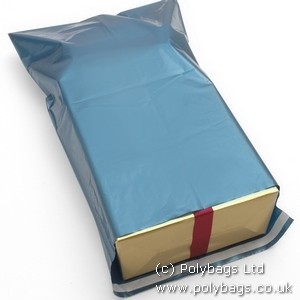
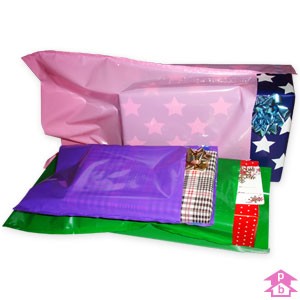
- Designed for postal or courier transport, mailing bags are light, waterproof and have an integral adhesive strip. Courier bags are made with a 3 layer co-extruded polythene mix to ensure maximum tear resistance. Usually they are white on the outside layer and light grey on the inside layer giving them an opaque appearance, however any coloured polyethylene can be used. Polybags stocked ranges cover economy and 'Tuff' mailers, mailorder and courier bags, tamper proof, bubble and even high impact metallic advertising mailers. Mailing bags come in a wide variety of styles, shapes and sizes and can be made from a wide variety of materials that include paper, plastic, vinyl and canvas, as well as others. They are designed to meet the many different types of products that need mailed. Mailing bags have many functions that also go above and beyond just mailing your package.

- Plain polythene bags
- Polythene is a cost competitive and versatile plastic and has less effect on the environment. Polybags offer plain polythene bags in various sizes and shapes available in LDPE and HPDE materials polybags are one of the most successful types of packaging. These are also called plastic bags or storage bags. Small bags, large bags you can even get special promotional polythene bags that can be printed with your own design or logo.

- Grip seal and slider grip bags
- Grip seal and slider grip bags have a slider profile that enables you to slide open and shut the bag. Ideal where you want to secure contents and avoid leakage or contamination, no need of bag-sealer, staples or tape. Slider grip bags are perfect for document storage. Easy to open and close again and again...and again. A large part of our business always have pallet loads in stock awaiting your order. Also called self seal, grippa or grip-lock bags.

- Presentation bags and retail bags
- A range of crystal clear presentation and retail bags manufactured from high clarity polypropylene film these are the best choices for product presentation. Presentation and Retail bags offer better moisture protection and are clearer and stronger preserving the product freshness when used for a food service application. Clear wrapping film is ideal to wrap flowers and presents, shiny clear wrapping film made from polypropylene that protects and also enhances your gift product.

- Stocked carrier bags
- A variety of clear and colored stocked carriers to suit your specific product be it CD's, books or paintings. These are standard carrier bags for everyday use such as clothing and lightweight general shopping. Economic vest style carriers that will do the job. The vest style carrier is the traditional high density crinkly carrier used in groceries, available in clear, white, blue and candy stripe colours.

- Bubble film and bubble bags
- Bubble film and bubble bags have proved to be one of the most versatile packaging materials of recent years. Being soft and flexible and yet displaying incredible tear resistance, bubble film has earned itself a place in almost every packaging environment. Polybags.co.uk offers a full line of bubble bags and bubble wrap. Whether you need a reclosable bubble bag, a bubble bag with a lip and tape for easy closing, or bubble wrap to protect your shipments you will find it there. Bubble bags provide soft cushioning for tough protection against shock, vibration and water damage.

- Waste bags and sacks
- Plastic waste bags and sacks are used for articles not connected with food. They are made from LDPE and HDPE material. Available in various sizes waste bags and sacks are made with flexible material used for lining litter or waste containers or bins. This serves to keep the container sanitary by avoiding container contact with the rubbish. Made from recycled film but very strong, Polybags bin liners fit most types of bin and are ideal for household, office, garden or building rubbish. For specialist types of waste we also stock sacks with specific printed warnings plus a new biodegradable range.

- Environmental bags
- Billions of plastic bags are choking our planet. All of these "free" bags ultimately cost both consumers and the environment plenty so now Polybags manufactures and stocks a wide range of eco-friendly green packaging products to suit your needs and help towards a better environment. A range of eco-friendly bin liners and refuse sacks ideal for landfill disposal to minimise environmental impact when buried or put in prolonged contact with soil.

- Garment bags and pallet covers
- Polybags is now a leading UK manufacturer of Dry Cleaning Garment covers and Laundry Bags as well as a major stockist of wide sheeting and shrinkable pallet covers for outside and in-transit protection. These are large plastic bags for covering pallets during shipment. Use it to cover pallets that you will store inside or outside, protecting from the weather, dust, paint, water, snow, and other common uses. Pallet Covers can also be used as liners for bins. Garment bags are made with hanger holes and sloped shoulders and come on a roll for easy dispensing. Polybags can also put a custom print or logo on these bags. Dry cleaning bags are perfect for protecting everything in a common wardrobe and keeping them wrinkle free!

- Polythene tubing and sheeting
- Tubing and sheeting are an excellent packaging alternative when packaging multiple items sharing a common width or diameter but varying lengths. Poly sheeting can be used to wrap around products and secure with tape or banding or some other method. Tubes and Plastic Sheets also provide a more effective packaging solution for protection against rust and corrosion for both ferrous, non-ferrous metal and also multi metal surfaces, spares, parts assemblies and finished goods. Ideal for securing irregular shaped loads. A quick, quiet and clear way of wrapping, stabilising and securing palletised goods. Protects from dust and weather when in storage, and retains it's tension whilst in transit.

- Specialist bags
- Film Front Bags, also known as clear faced bags or window bags used by bakers to artists. Film front bags have a clear polypropylene front and a white kraft paper back so that the contents are protected but clearly seen. High Density Food Bags, Vacuum Pouch Bags, Net Bags, Poly Gloves, Polymax bags - NEW, Tenax sleeving and Special waste sacks

- Transit packing
- A selection of associated packaging products such as stretchwrap(for economically wrapping round boxes, pallets and items to keep them secure), tape, boxes, pallet covers and document enclosed envelopes for transit packing.

- Bag ties and sealers
- Paper and plastic bag ties and clips, adhesive disks and hooks used as a closure to secure the content or highlight your bags plus manual heat sealers to seal your product in tubing or make your own small batch bags, to close or seal your bags or make your exact sized bag.